

Last updated October 31, 2026
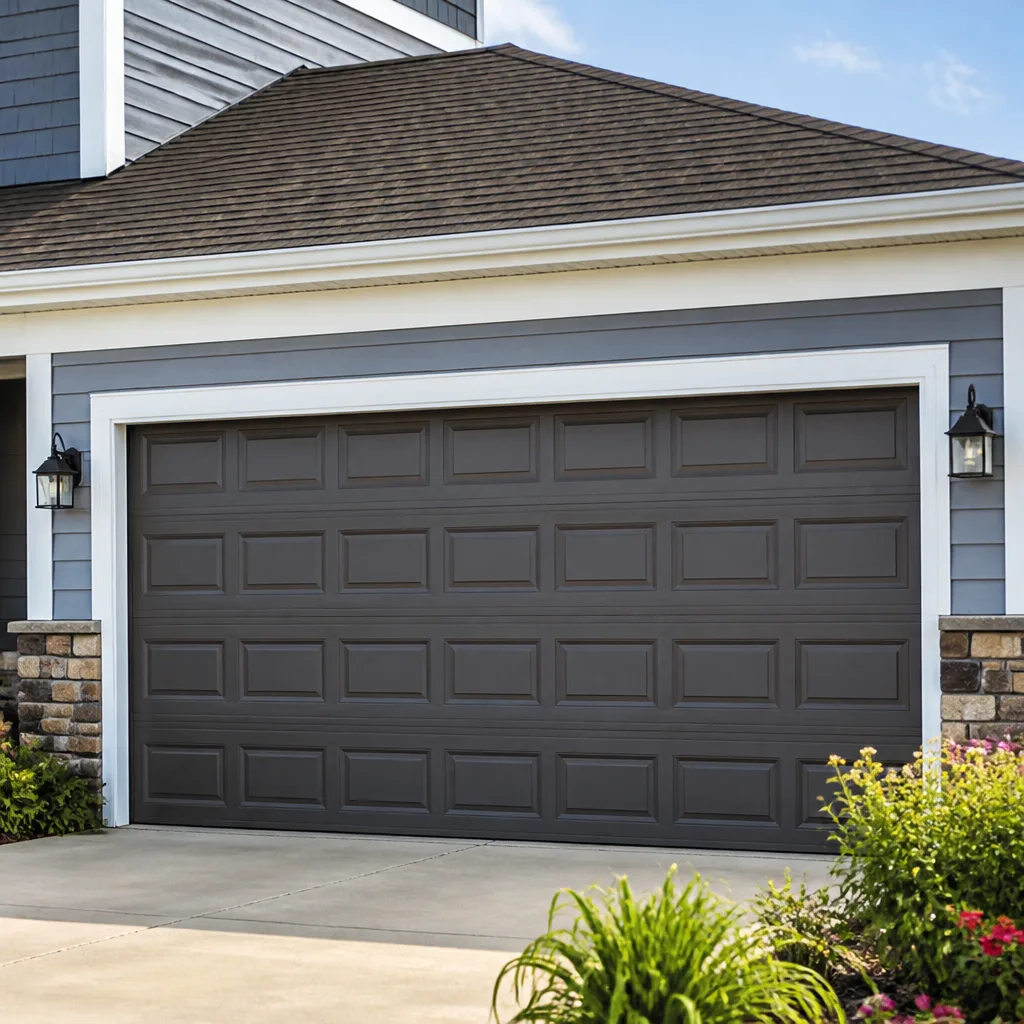 Raised-panel steel
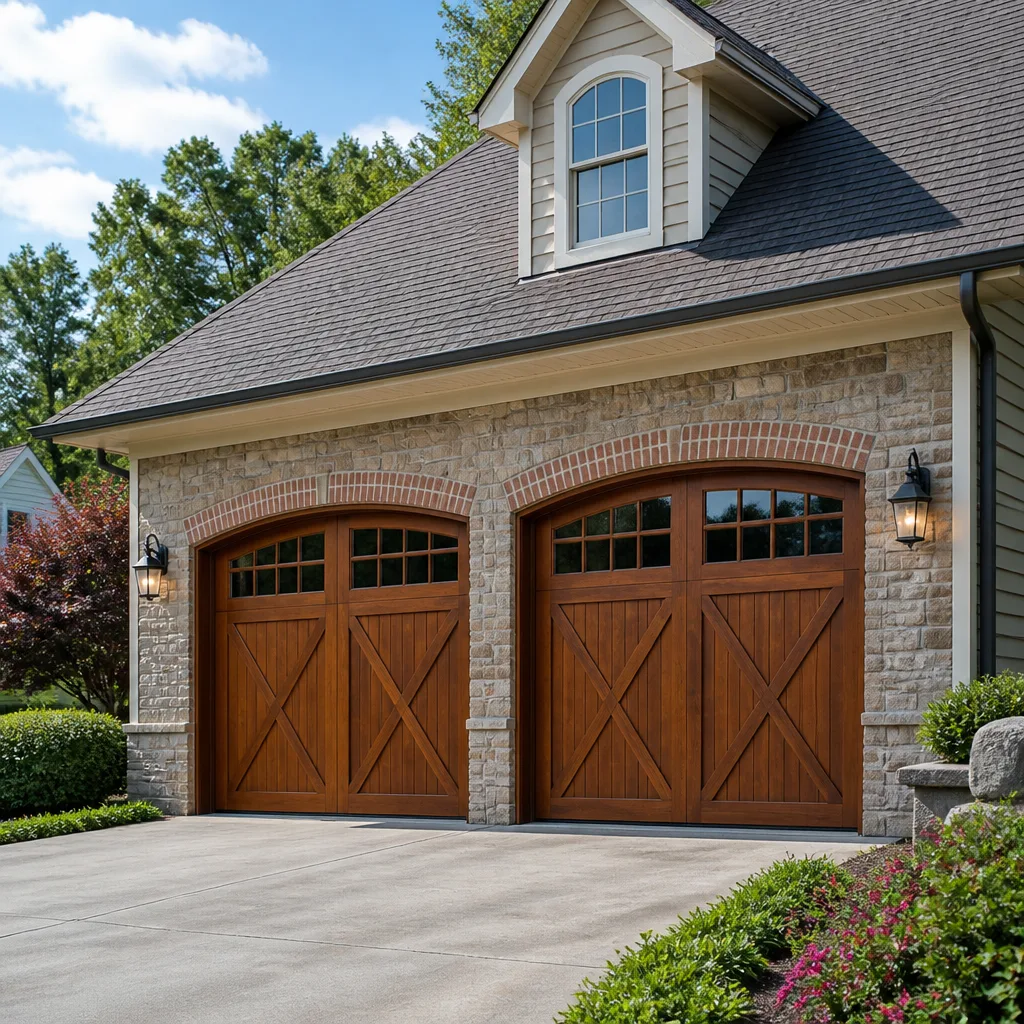 Carriage house
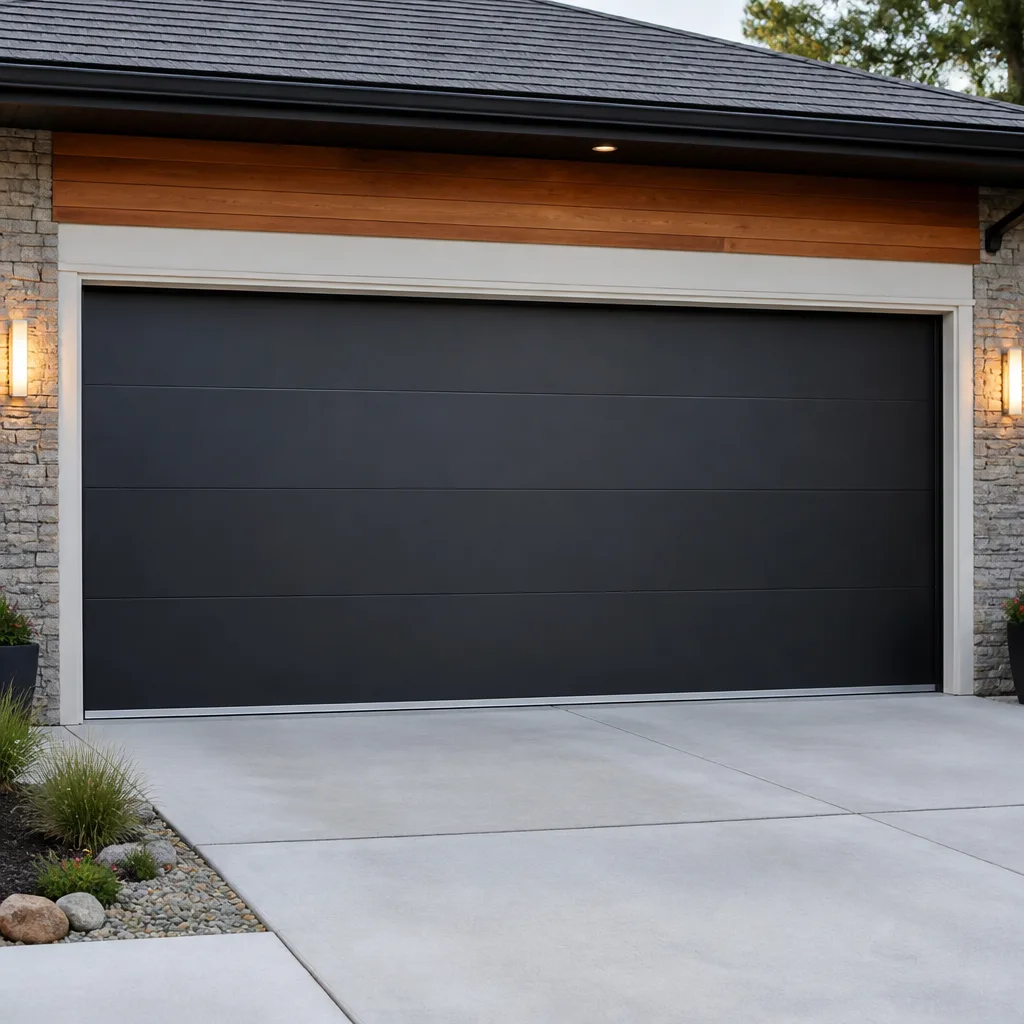 Modern flush
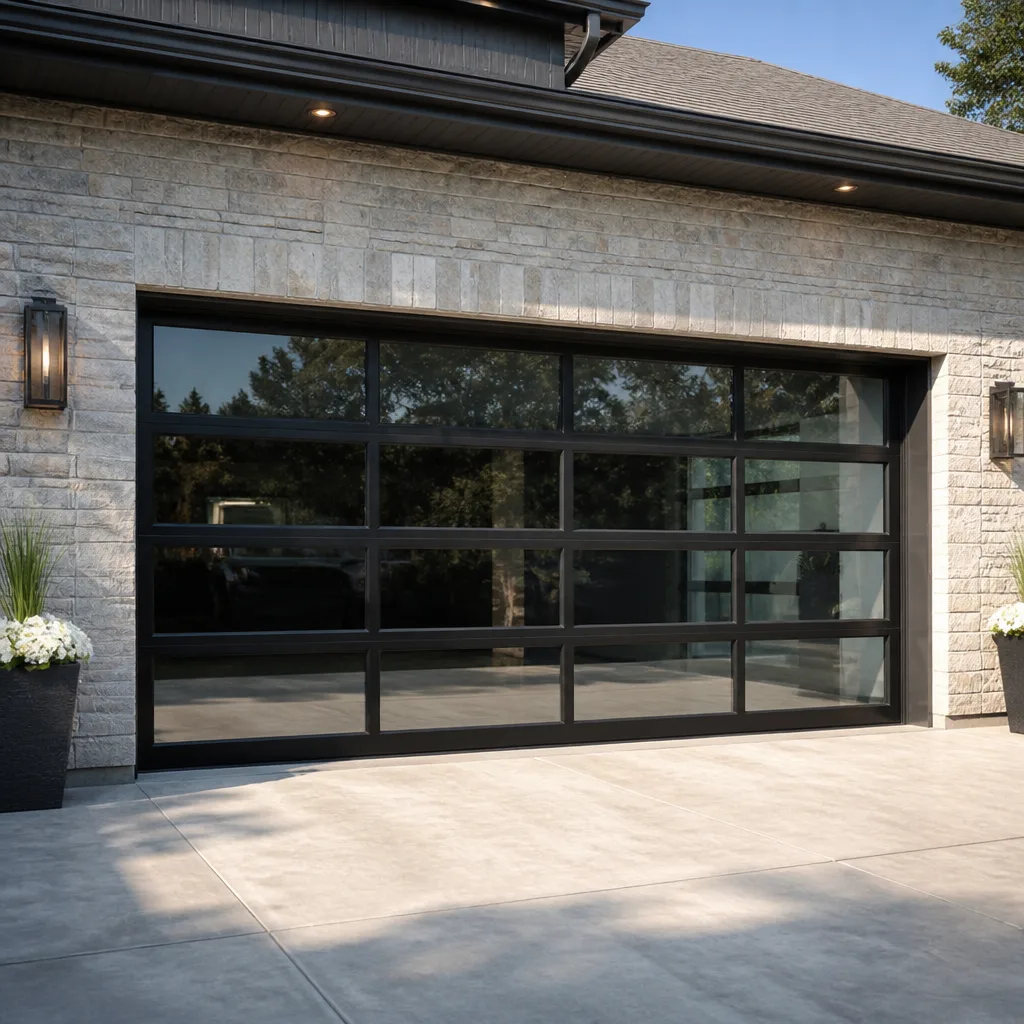 Full-view glass
 LiftMaster openers
 Chamberlain openers
Full 25-point door and opener safety check with every visit - springs, cables, rollers, tracks, and your LiftMaster or Chamberlain opener included
You get a price before we start. It does not change when the truck arrives.
Get your free estimateGarage Door Emergency Preparedness Guide for Rancho Cucamonga Homes
Here’s a counterintuitive fact about garage door emergencies in Rancho Cucamonga: the most common one has nothing to do with a broken spring. It’s the power outage. When Southern California Edison cuts power during a heat advisory, or a summer brownout hits the Inland Empire, homeowners who’ve never touched their manual release cord discover their car is trapped inside the garage with no way out. This guide walks you through the preparation steps that take about 20 minutes total, the post-earthquake inspection protocol most people skip, and what to do when a Santa Ana wind gust shoves your door off its track at the worst possible moment. For Garage Door Repair Troubleshooting: Common Problems and How to Fix Them, see our dedicated troubleshooting guide. If you live in Rancho Cucamonga, the threats to your garage door are specific, and your preparation should be too.
Styles & brands we work with
Quick Answer
Garage door emergency preparedness in Rancho Cucamonga comes down to five things: knowing how to operate and re-engage your manual release cord, testing your opener’s battery backup before outage season, inspecting tracks and spring brackets after every earthquake or severe wind event, having a plan for a door that won’t close at night, and keeping the phone number of a garage-door-only specialist where you can find it in the dark. Twenty minutes of preparation now prevents a stranded car, a compromised home, and a panic call at 11pm.
Table of Contents
- How to Use Your Manual Release Cord (And Put It Back Correctly)
- Power Outages and Heat Events: The Rancho Cucamonga Reality
- Battery Backup Openers: Preparedness Infrastructure, Not a Luxury
- Post-Earthquake Inspection: What to Check Before You Run the Door
- Santa Ana Winds: When a Gust Forces Your Door Off Track
- The “Door Won’t Close at Night” Protocol
- Your 20-Minute Garage Door Emergency Prep Checklist
- Common Mistakes to Avoid
- When to Call a Professional
- Frequently Asked Questions
- The Bottom Line
How to Use Your Manual Release Cord (And Put It Back Correctly)
Every automatic garage door opener installed in the last 40 years has a manual release mechanism, usually a red cord with a T-shaped handle hanging from the opener rail. In a power outage, pulling this cord disconnects the door from the opener carriage so you can lift the door by hand. But here’s what most Rancho Cucamonga homeowners don’t know: the re-engagement procedure is where things go wrong, and getting it wrong can leave your door disconnected from the opener while you think it’s secured.
Step-by-Step Manual Operation
- Ensure the door is fully closed before pulling the release cord. If the door is open when the power goes out, close it by hand first if conditions allow.
- Firmly pull the red cord down and toward the door. You’ll hear a click and the carriage will disengage from the opener’s drive mechanism.
- Lift the door using the handle or the bottom edge. A properly balanced door should lift smoothly with moderate effort. If it feels unusually heavy or you hear grinding, stop and call a professional, because a broken spring is likely and forcing the door can cause injury.
- Once the door is open, you can slide the manual lock bar (if your door has one) or wedge the track to hold the door. In Rancho Cucamonga’s flat residential neighborhoods, gravity generally holds a balanced door in place, but a gust during Santa Ana season can move it.
- To close the door manually, pull it down using the handle. Don’t pull on the edge of the panels, because your fingers can get caught between sections.
Re-Engaging the Opener After Power Returns
This is the step that trips people up. After power is restored, the carriage on the opener rail is no longer connected to the door. If you just press the remote, the carriage travels along the rail without the door, and you’ll hear the opener running but nothing happens. Here’s the correct procedure:
- With the door closed, pull the release cord again to reset the carriage mechanism.
- Press the wall button or remote once. The opener carriage should travel along the rail.
- When the carriage reaches the point where it meets the door’s attachment bracket, it should lock back onto the door automatically on most LiftMaster, Chamberlain, Genie, and Craftsman models.
- Test the connection by pressing the button and watching the door move with the carriage. Then run a full open-close cycle.
If the carriage doesn’t reconnect, close the door manually, pull the release cord toward the door (not down), and press the button again. Some older Wayne Dalton and Raynor systems require the carriage to approach from a specific direction. In our experience, the most common re-engagement failures come from homeowners pulling the cord while the door is open, which lets the carriage travel the wrong way when power returns. If you can’t get it re-engaged, don’t leave the door disconnected overnight, because a disconnected door can often be lifted by hand from outside by anyone who tries.
Power Outages and Heat Events: The Rancho Cucamonga Reality
Rancho Cucamonga sits in Southern California Edison’s Inland Empire service territory, where rotating outages during heat waves and Public Safety Power Shutoffs during fire-risk conditions have become part of summer life. When the power goes out in the Terra Vista or Victoria neighborhoods, the garage door opener doesn’t work because openers run on household AC power, not a car-style battery. That means your car stays inside unless you’ve practiced the manual release procedure above.
The heat component matters more than most people realize. During a Rancho Cucamonga heat advisory with temperatures above 100°F, a closed garage traps heat and can reach 120°F to 130°F inside. If your car is trapped and you need to leave for work, a medical appointment, or to pick up a child, the situation becomes urgent fast. Meanwhile, medication and other temperature-sensitive items stored in the garage or the car itself can degrade quickly.
The practical takeaway: locate your manual release cord today, not during an outage. Stand in your garage, find the red cord on the opener rail, and practice pulling it once so you know how much force it takes and exactly where the handle hangs. If the cord is missing or the handle has broken off, replace it now. A replacement release cord assembly costs under $20 at any hardware store and installs in five minutes. That’s a small investment for the difference between a minor inconvenience and a trapped car during the next SCE event.
Battery Backup Openers: Preparedness Infrastructure, Not a Luxury
Battery backup openers solve the power outage problem entirely, but they’re only worth considering if you understand their real runtime capabilities. The LiftMaster 8500W, a wall-mount model commonly installed in Rancho Cucamonga garages with high ceilings or car lifts, includes a built-in battery backup rated for 30 to 40 full open-close cycles after a full charge, though actual runtime depends on door weight, temperature, and battery age. Most Chamberlain and Genie models with battery backup offer similar ratings: typically 24 hours of standby power and 20 to 30 cycles of actual door operation.
What this means practically: a battery backup opener handles a single outage event comfortably, even a multi-hour one. It’s enough to open and close your door a handful of times without draining the battery. But it’s not a multi-day off-grid solution. If you’re in a Rancho Cucamonga neighborhood affected by a prolonged shutoff during extreme fire weather, plan the same way you would with a standard opener: operate the door only when necessary and conserve the battery.
One detail most homeowners miss: battery backup openers only work if the battery is healthy and the door itself is mechanically sound. A backup battery that’s five years old may hold a fraction of its rated charge, and a door with a failing spring will drain the battery quickly because the opener motor works harder against increased resistance. If your Garage Door Opener Repair in Rancho Cucamonga needs attention, address it before outage season, not during.
Post-Earthquake Inspection: What to Check Before You Run the Door
Rancho Cucamonga sits near the San Andreas and Cucamonga fault zones, which means moderate earthquakes are a when, not an if. After any tremor you can feel, your garage door deserves a five-minute inspection before you run it again. The reason: a door that appears fine can have shifted components that cause serious damage or injury the moment the opener moves it.
Five-Point Post-Quake Checklist
- Track alignment. Stand inside the garage and look along both vertical tracks. They should be parallel and straight. A shifted track can bind the rollers and derail the door on the first cycle. Check the horizontal tracks too, especially where they meet the vertical curve.
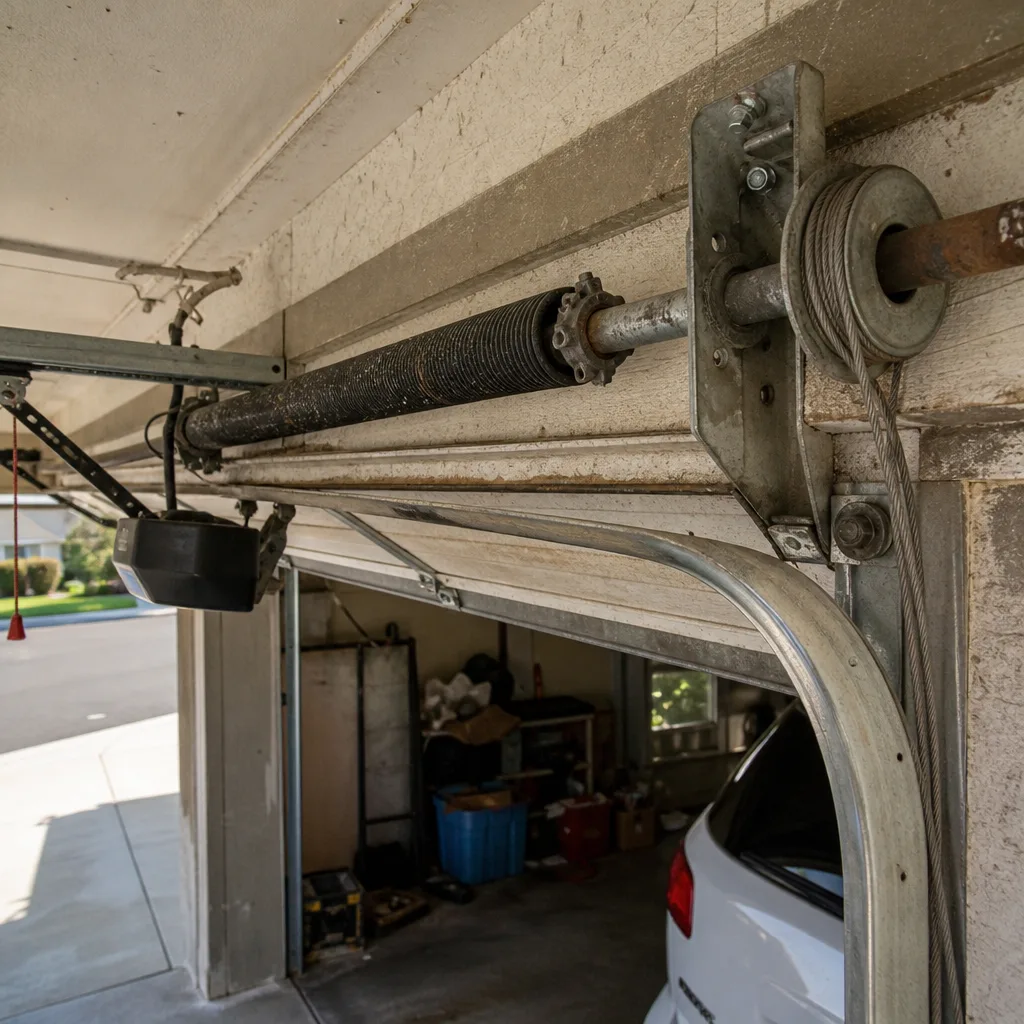
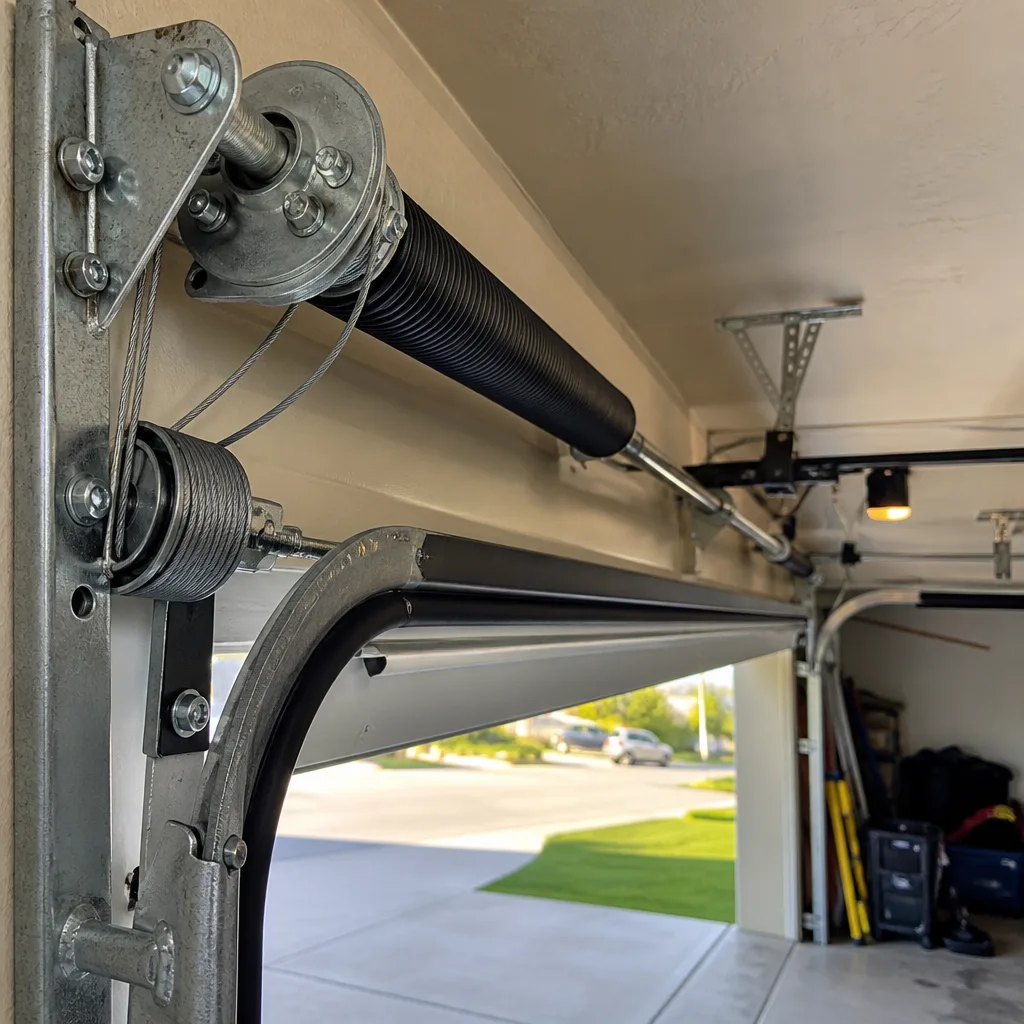
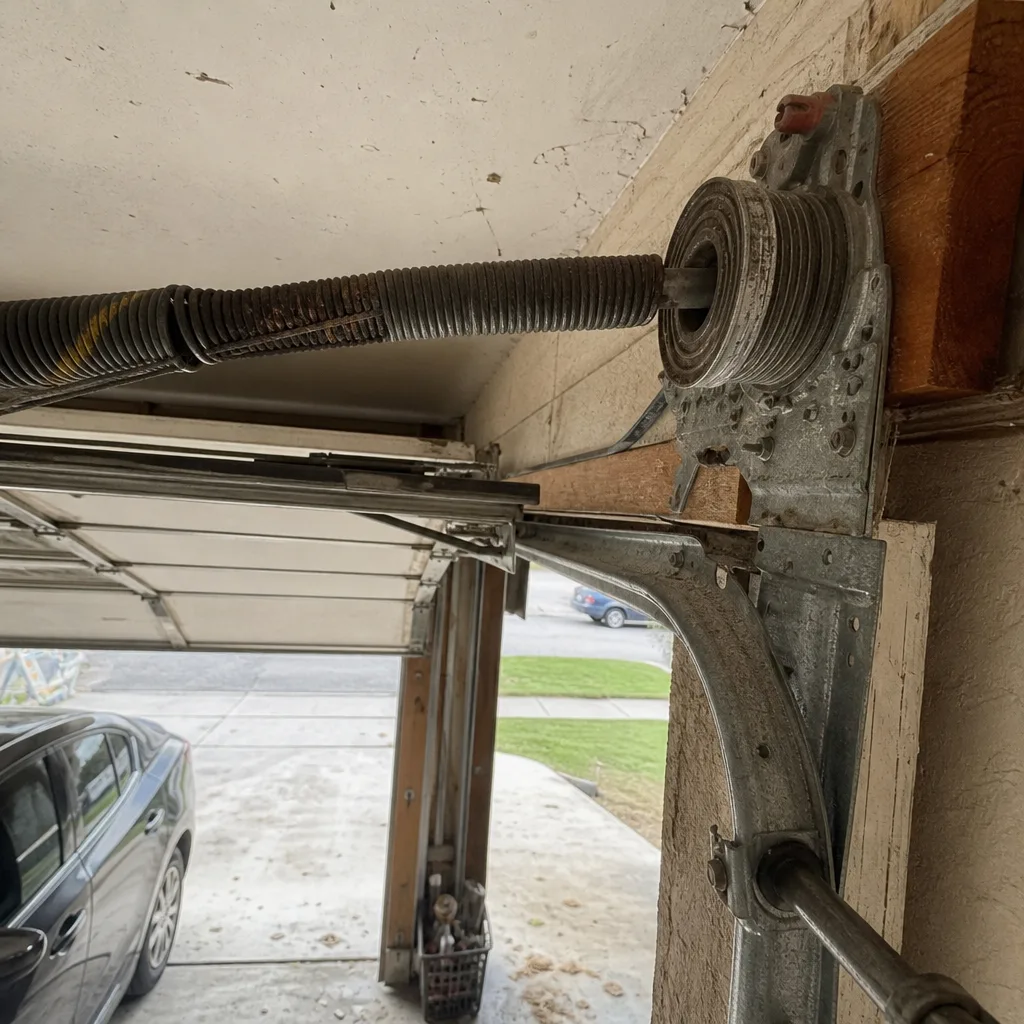
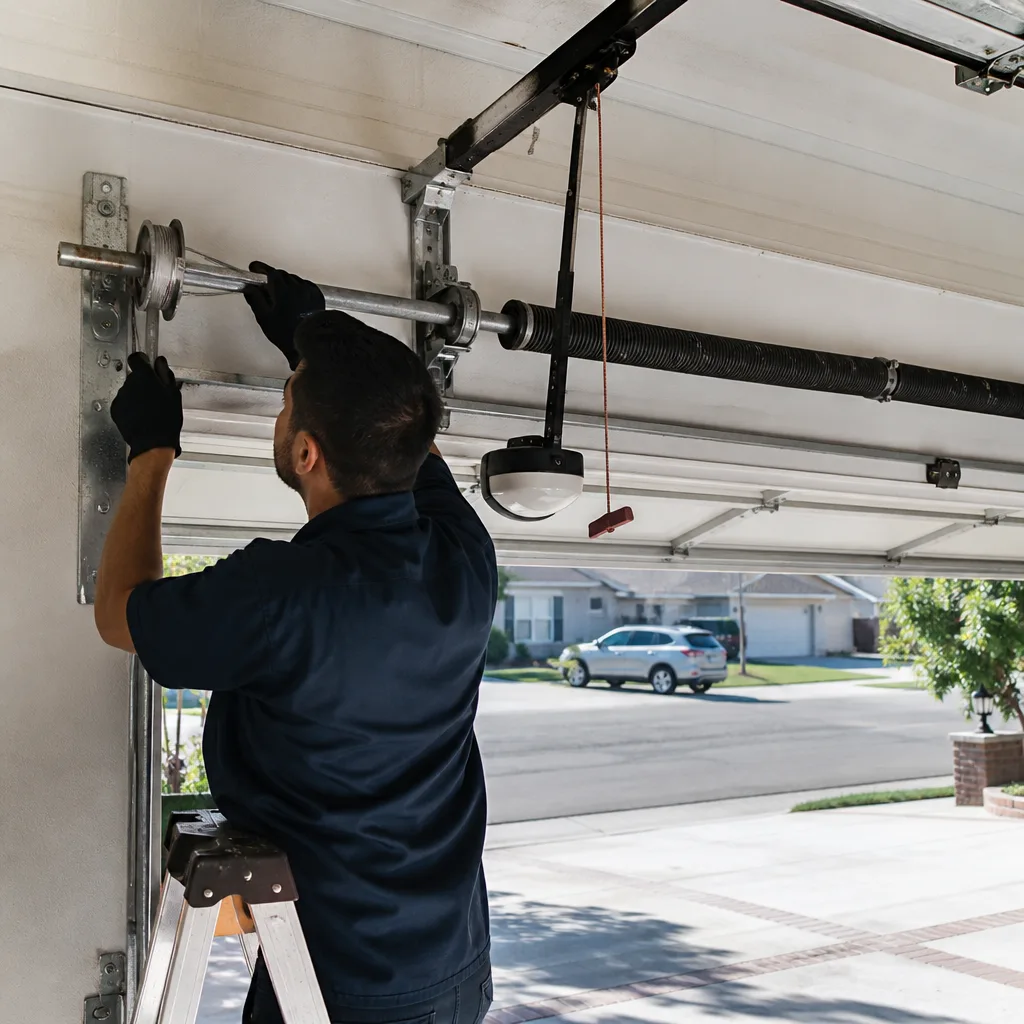
- Spring mounting brackets. Look at the center bracket that anchors the torsion spring above the door. After a quake, this bracket can loosen, and a loosened spring under tension is genuinely dangerous. If you see any gap between the bracket and the wall or header, don’t run the door.
- Opener rail and mounts. The rail that runs from the opener motor to the door should be straight and firmly attached to the ceiling. Quakes can pop strap bolts or shift the rail down, which changes the door’s travel geometry.
- Roller condition. Rollers should sit fully inside the track. A roller that has skipped out of the track, even partially, will chew up the track on the next operation. Look at each roller on both sides.
- Cables and drums. The lift cables on each side of the door should be taut and wound evenly on the drums. A loose cable after a quake suggests something moved that shouldn’t have.
In our experience with post-earthquake calls in Rancho Cucamonga, the most common damage is subtle track shift rather than dramatic structural failure. Homeowners run the door once, the rollers bind, and the door jams halfway with a bent panel and a popped cable. That five-minute visual inspection would have prevented the damage. If anything on the checklist looks wrong, leave the door alone and call a specialist. This is not a situation for YouTube tutorials.
Santa Ana Winds: When a Gust Forces Your Door Off Track
Santa Ana wind events hit Rancho Cucamonga every fall and winter, frequently with gusts exceeding 60 mph in the northern foothill neighborhoods and along the 210 corridor. A garage door is a giant sail with roughly 120 square feet of surface area. Under enough gust pressure, a door can flex, pop a roller out of a track, or pull a section away from the track entirely. The damage usually happens when the door is partially open, because that’s when the bottom section has the least structural support and the wind can get underneath it.
What to Do When the Door Is Off Track and Partially Open
- Don’t run the opener. If the door is partially open and off track, operating the motor will almost certainly cause more damage, potentially bending panels, snapping cables, or twisting the track. The opener doesn’t know the door is jammed and will keep pulling.
- Secure what you can. If weather is incoming and the door is partially open, can you close it manually? Only attempt this if the door moves freely. If it’s bound, don’t force it, because forcing a derailed door can pop the opposite roller out too.
- Protect the opening. If the door can’t be closed, cover the opening from inside with a tarp, plywood, or anything available to keep wind-driven rain and debris out. If the door is off track and partially open during a wind event, your home’s security is also compromised, so don’t leave the house unattended.
- Evaluate the damage in daylight. Wind damage to doors is easier to assess in good light. Look for bent track sections, popped rollers, sections that have separated from each other, and stretched or snapped cables.
- Call a garage-door-only specialist. Derailed doors often need track realignment, roller replacement, and panel inspection. A general handyman may get the door back in the track, but the underlying track damage that caused the roller to pop will cause the same failure again during the next Santa Ana event.
Doors from Clopay, Amarr, and Wayne Dalton all handle wind differently depending on the model and whether the door is wind-rated. Some models are rated for specific wind pressures, but no standard residential door is designed to be operated in sustained 60+ mph gusts. During a high-wind warning, keep the door closed entirely.
The “Door Won’t Close at Night” Protocol
Here’s a scenario we hear about regularly: it’s 11pm, you’ve closed the garage door, but it reverses and opens again. Or worse, it jams halfway. Now you’re deciding between leaving a six-foot opening into your home overnight or trying to force a system you don’t understand in the dark. Neither is a good option, but there’s a smarter sequence.
Step One: Check the Safety Sensors
Door won’t close and reverses? The photo-eye sensors at the bottom of each track are the usual suspect. A misaligned sensor, a leaf in front of the lens, or a spider web across the eye will trigger the safety reverse. Look for a small LED light on each sensor. If one is blinking or dark, that sensor isn’t seeing the other one. Clean the lens with a dry cloth and make sure both sensors point directly at each other. This fixes the majority of “door won’t close at night” problems without tools.
Step Two: Check for Visible Obstruction
Look at the track path and the floor under the door. A stray rake, a child’s toy, or a package leaning against the track will trigger the same safety reverse. Clear it and try again.
Step Three: Look at the Door Itself
If the sensors are clean and aligned but the door still won’t close, look at the door panels, the rollers, and the cables. A roller that has popped out of the track or a cable that has come off the drum will cause the door to hang or twist. If you see either, stop. Do not force the door down by hand, because a door with a compromised cable or spring can fall suddenly, and a falling garage door weighs 150 to 400 pounds.
Step Four: Emergency Secure and Decision
If the door won’t close and you can’t identify an easy fix, pull the manual release cord and carefully lower the door by hand only if it moves freely and you can support the weight. If the door feels heavy, jams, or binds, do not force it. A door that suddenly feels heavy usually means a broken spring, and a broken spring is a professional repair, period. Secure the opening as best you can with a tarp or by parking a vehicle tight against the opening from inside, and call a specialist first thing in the morning. Leaving the door open overnight is a security risk, but risking a 300-pound panel falling on you is worse.
This is where being familiar with your door’s specific mechanism pays off. Homeowners who have practiced the manual release and know what a balanced door feels like can distinguish between a fixable sensor issue and a dangerous spring failure. If you’re not sure, call someone who is.
Your 20-Minute Garage Door Emergency Prep Checklist
All of the preparation in this guide fits into a single focused session. Here’s the checklist to work through on a Saturday morning in Rancho Cucamonga, before the next heat wave, quake, or wind event. For Garage Door Permits, Codes & Inspections in CA: What You Need to Know, see our compliance guide.
The 20-Minute Prep List
- Locate and test the manual release cord (5 minutes). Pull it once with the door closed, verify the handle is intact, and re-engage the opener. If you’ve never done this before, follow the steps in the section above.
- Check the opener’s battery backup (3 minutes). If your LiftMaster, Chamberlain, or Genie opener has a battery backup, look for the indicator light on the opener or wall panel. A solid green light means the battery is charged and functional. A flashing or red light means the battery needs replacement. If your opener doesn’t have battery backup, make a note of the model number and evaluate whether adding one makes sense for your household.
- Inspect springs and cables visually (5 minutes). With the door closed, look at the torsion spring above the door. Surface rust or a visible gap in the spring coil indicates wear. Look at both lift cables for fraying. You’re not fixing anything, just documenting what’s there so you notice changes later.
- Clean and align photo-eye sensors (3 minutes). Wipe each sensor lens with a dry cloth and confirm the small indicator light on each is solid.
- Write down your emergency contact (2 minutes). Post the number (833) 734-6940 on the wall near your opener or save it in your phone now. When an emergency happens, you don’t want to be researching garage door repair options in the dark or during a power outage.
- Do a quick balance test (2 minutes). With the opener disconnected, lift the door to about waist height and let go. A balanced door stays in place. A door that drops or rises by more than a few inches has a spring tension problem that will get worse, and it’s better to catch that before it becomes an emergency.
Common Mistakes to Avoid
- Testing the manual release for the first time during an actual power outage. On a hot night with the house dark and the car trapped, you’ll be fumbling with a mechanism you’ve never touched. Practice the release and re-engagement on a normal day.
- Forcing a door that feels heavy. A door that’s suddenly hard to lift manually usually means a broken or failing spring, and forcing it can lead to a dropped door and serious injury. Even in an emergency, a heavy door is a stop sign.
- Running the opener after an earthquake without inspecting the tracks. In Rancho Cucamonga, every felt quake should trigger a five-minute visual check before the first door cycle. A shifted track and a motorized opener is a bad combination, and the damage happens in seconds.
- Ignoring battery backup age. A battery backup is only helpful if the battery holds charge. If your opener’s battery is more than three years old and hasn’t been tested, test it now. The next outage is not the time to discover a dead battery.
- Trying to fix a derailed door with a pry bar. Homeowners attempting to pop rollers back into tracks with pry bars or hammers often bend the track and damage the roller stem. Track realignment is precise work, especially on doors from Amarr and Clopay where track tolerances are tight.
- Leaving the door disconnected from the opener after a power outage. Once power returns, re-engage the carriage immediately. A disconnected door can often be lifted by hand from outside, which means your garage is effectively unlocked.
- Storing emergency supplies where you can’t reach them. If your flashlight, gloves, and manual release instructions are in a box behind everything else in the garage, you won’t find them when the power is out. Keep a small emergency kit on a hook near the door frame.
When to Call a Professional
Some garage door situations are safe to handle yourself: cleaning sensors, pulling the manual release, doing a visual inspection. Others are not. Call a professional if you see a visibly broken or gapped torsion spring, if a cable has snapped or come off the drum, if the door is off its tracks after a wind event or earthquake, if the door feels significantly heavier than it used to, or if the opener makes grinding or straining noises. These conditions involve stored mechanical energy or significant door weight, and a mistake isn’t a minor inconvenience, it’s a hospital trip. Bronze Garage Door Repair home offers free estimates in Rancho Cucamonga; call (833) 734-6940 if you’re seeing any of these conditions. Garage doors are all we do, and we work on LiftMaster, Chamberlain, Genie, Clopay, Amarr, Wayne Dalton, Craftsman, and Raynor systems specifically.
Frequently Asked Questions
Pull the red manual release cord hanging from the opener rail, which disconnects the door from the opener carriage so you can lift it by hand. A properly balanced door should lift with moderate effort using the handle or bottom edge. After power returns, pull the cord again and press the wall button to re-engage the carriage, then test a full open-close cycle. If the door feels unusually heavy when lifting manually, stop and call a professional because a broken spring is likely. For help with opener or door issues, call us at (833) 734-6940.
Battery backup openers like the LiftMaster 8500W typically cost $150 to $350 more than equivalent non-backup models, and replacement batteries for existing backup systems run $60 to $120 depending on the opener brand and battery type. A wall-mount model with battery backup generally falls in the $450 to $700 installed range in the Rancho Cucamonga market, depending on installation complexity and your specific opener needs. We quote a fixed price before any work starts, so the number you agree to is the number you pay. Call (833) 734-6940 for a free estimate on a battery backup opener installation or replacement.
Check five things before running the door: track alignment on both sides, the spring mounting bracket above the door, the opener rail and ceiling mounts, roller position inside the tracks, and cable tension on both drums. In Rancho Cucamonga, even minor quakes can shift tracks enough to bind rollers and derail the door on the first cycle. If any component looks loose, shifted, or out of place, leave the door alone and call a garage door specialist for an inspection.
No, you shouldn’t attempt to fix an off-track door yourself. The rollers, cables, and springs are under tension, and the door panel can weigh 150 to 400 pounds. Using pry bars or hammers to force rollers back into the track almost always bends the track and damages the roller stems, turning a $150 repair into a $600 panel and track replacement. Derailed doors, especially after Santa Ana wind events in Rancho Cucamonga, need proper track inspection and realignment. Garage Door Repair in Rancho Cucamonga is a call away at (833) 734-6940.
The most common cause is a misaligned or obstructed photo-eye sensor at the bottom of the tracks, and cleaning the lenses or realigning the sensors usually fixes it in under five minutes. A blinking or dark indicator light on one sensor means that sensor isn’t communicating with the other. If both sensors are clean and aligned but the door still reverses, check for a stray object in the track path, a popped roller, or a cable that has come off the drum. For anything beyond sensor cleaning, call a professional rather than forcing the door.
Most Rancho Cucamonga homes don’t require wind-rated doors by code, but if you live in the foothill neighborhoods north of the 210 or on an exposed slope where Santa Ana gusts regularly exceed 55 mph, a wind-rated Clopay or Amarr model is worth evaluating during your next replacement. Standard residential doors can flex and derail under sustained gust pressure, especially when partially open. A wind-rated door also changes the spring balance calculation, so any upgrade should be handled by a garage-door-only specialist who understands the engineering involved. For a free consultation and written estimate on wind-rated door options, visit our Garage Door Installation in Rancho Cucamonga page or call (833) 734-6940.
The Bottom Line
Garage door emergencies in Rancho Cucamonga are predictable if you know the local threats: SCE power outages during heat events, felt earthquakes along nearby fault zones, and Santa Ana wind gusts that turn your door into a 120-square-foot sail. Your preparation comes down to knowing your manual release cord cold, testing your battery backup before you need it, inspecting the door after every tremor, having a plan for a door that won’t close at night, and keeping the right phone number posted where you can find it in the dark. Twenty minutes on a Saturday morning is the difference between a minor inconvenience and a stranded car, a compromised home, or worse. Do the checklist, practice the release, and you’ll be ready for whatever the Inland Empire throws at your garage door next. Browse more guides & resources on our blog.
Written by the team at Bronze Garage Door Repair, serving Rancho Cucamonga since 2014.
See the difference
 Before
 After
 Before
 After
 Before
 After