

Last updated October 31, 2026
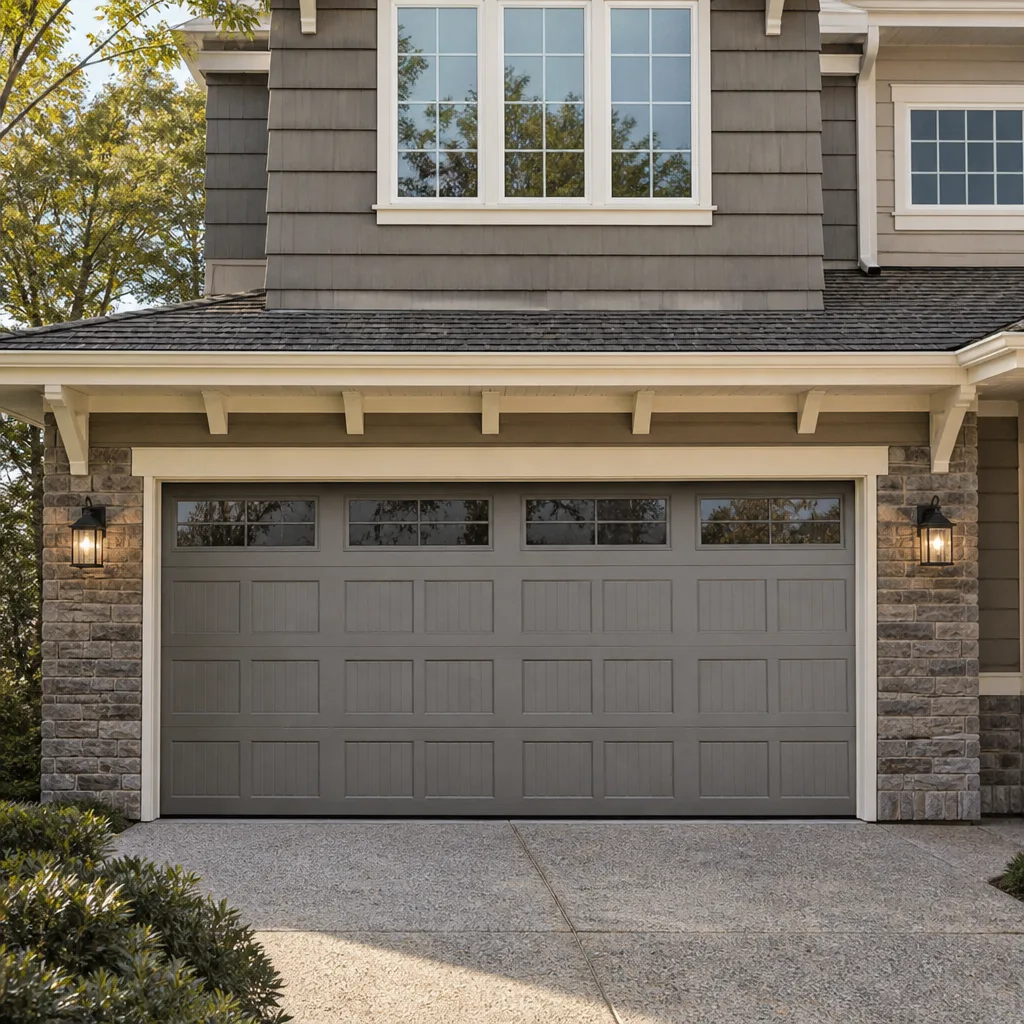
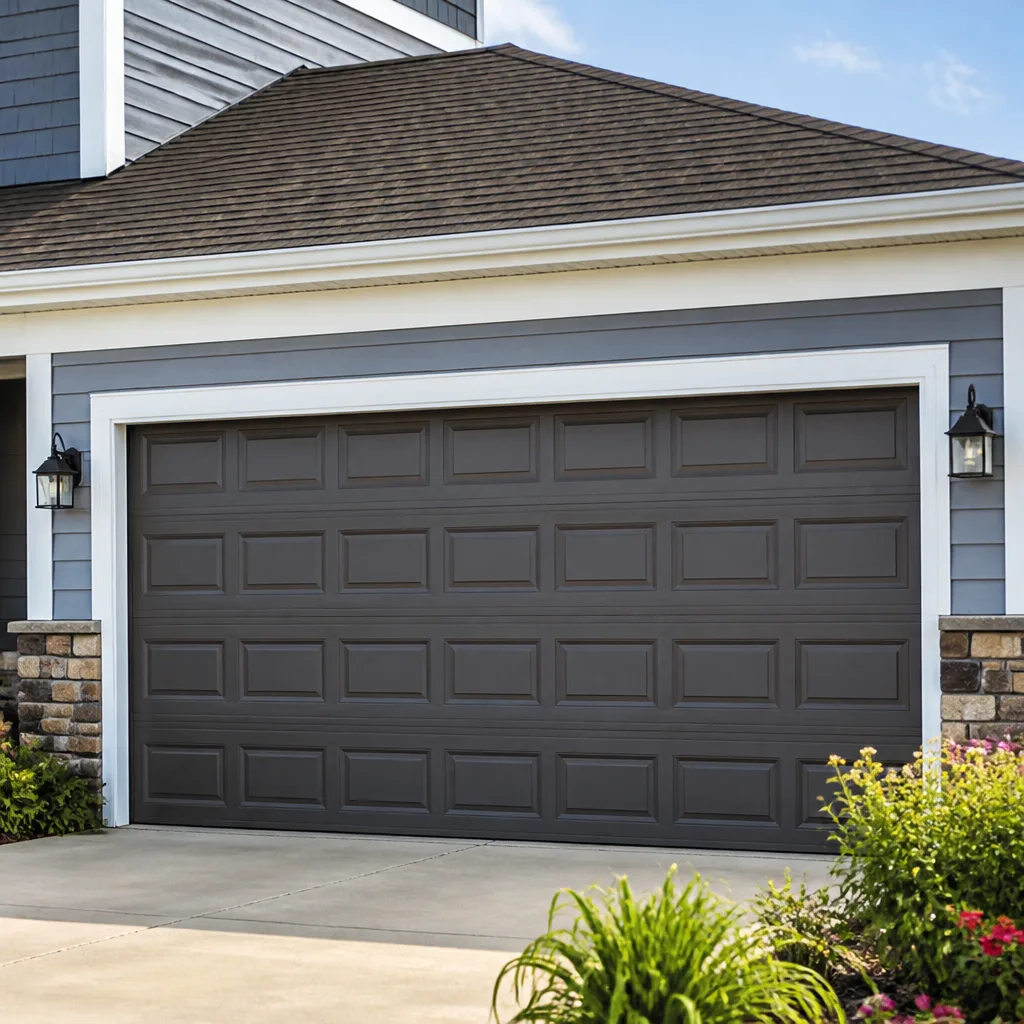 Raised-panel steel
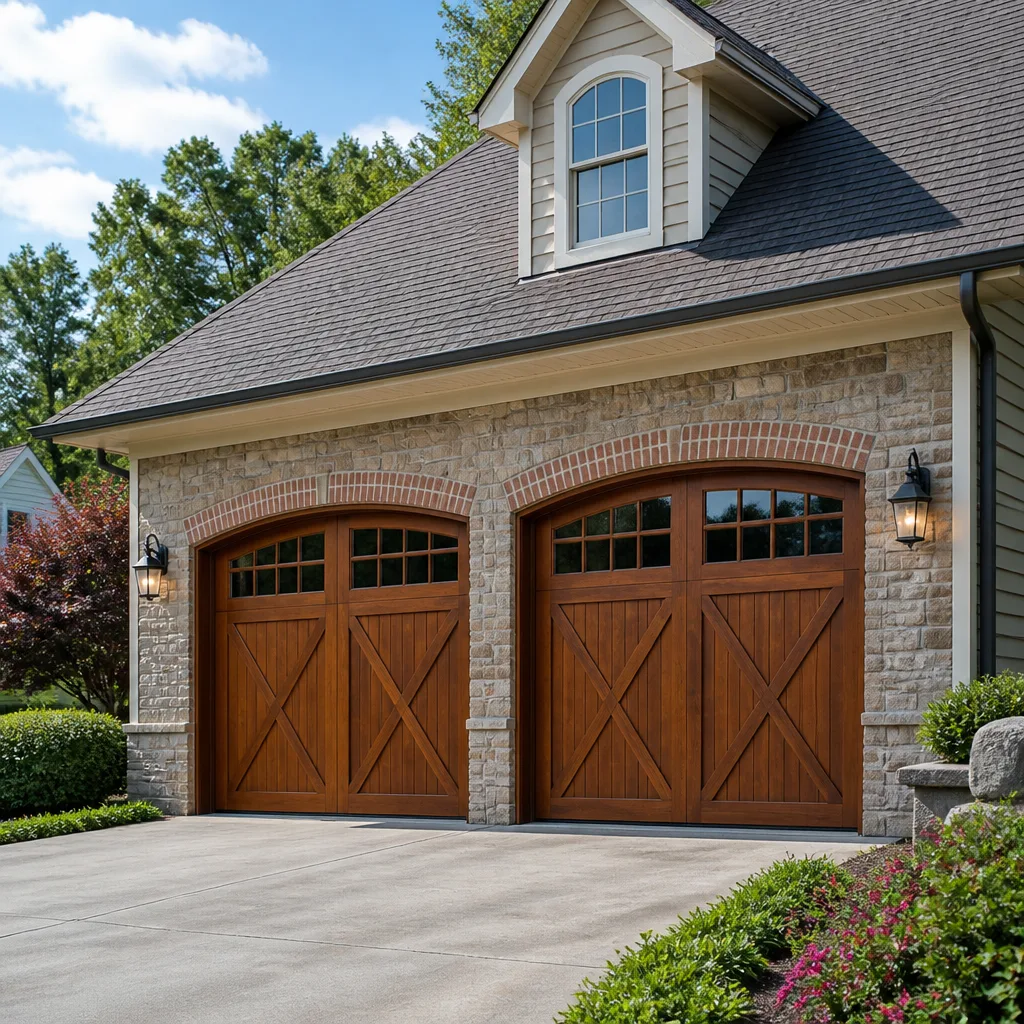 Carriage house
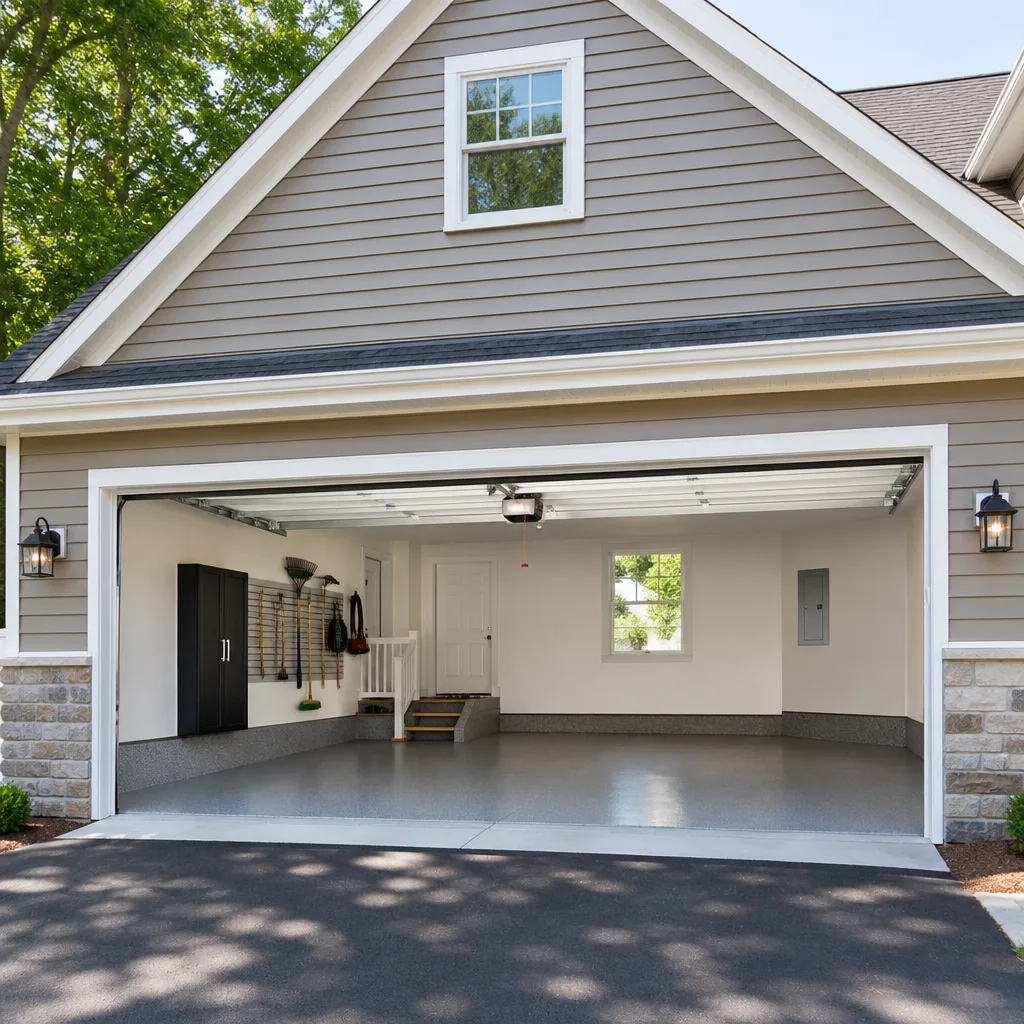
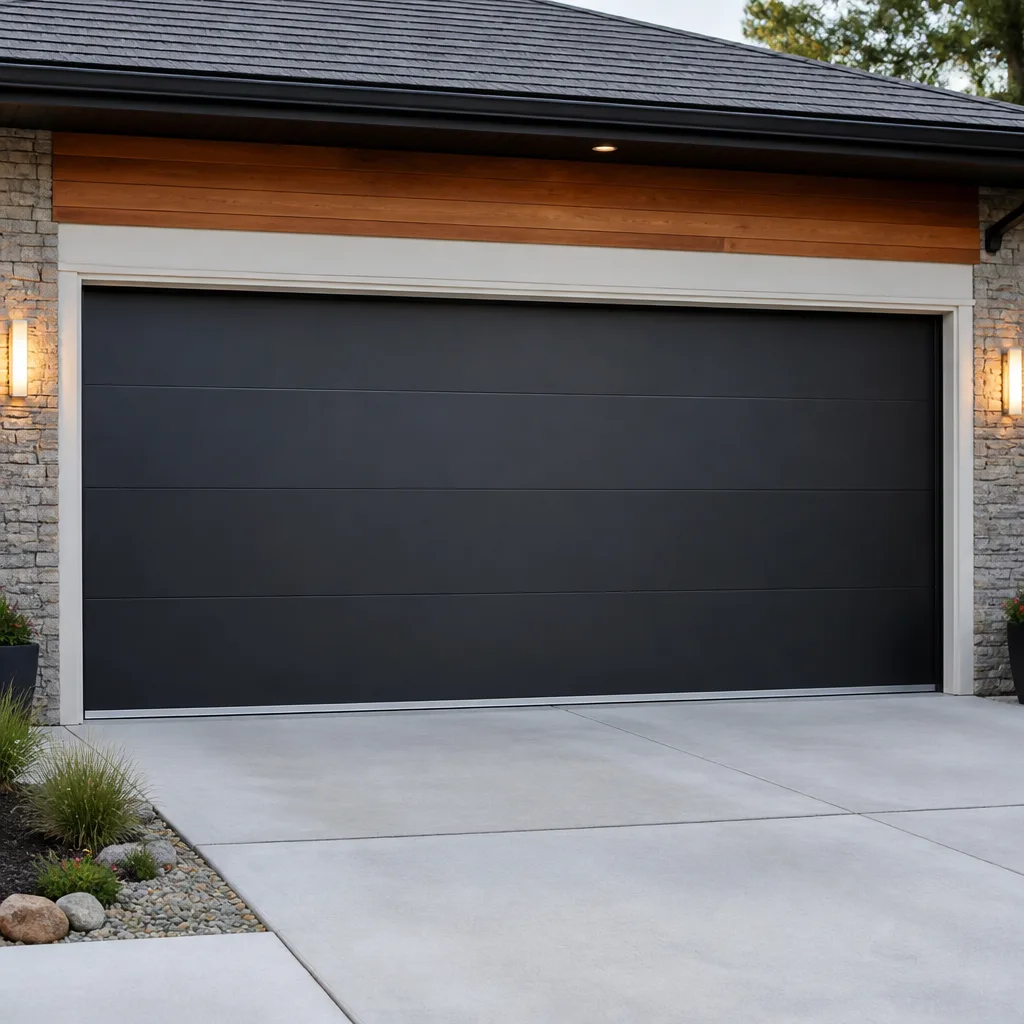 Modern flush
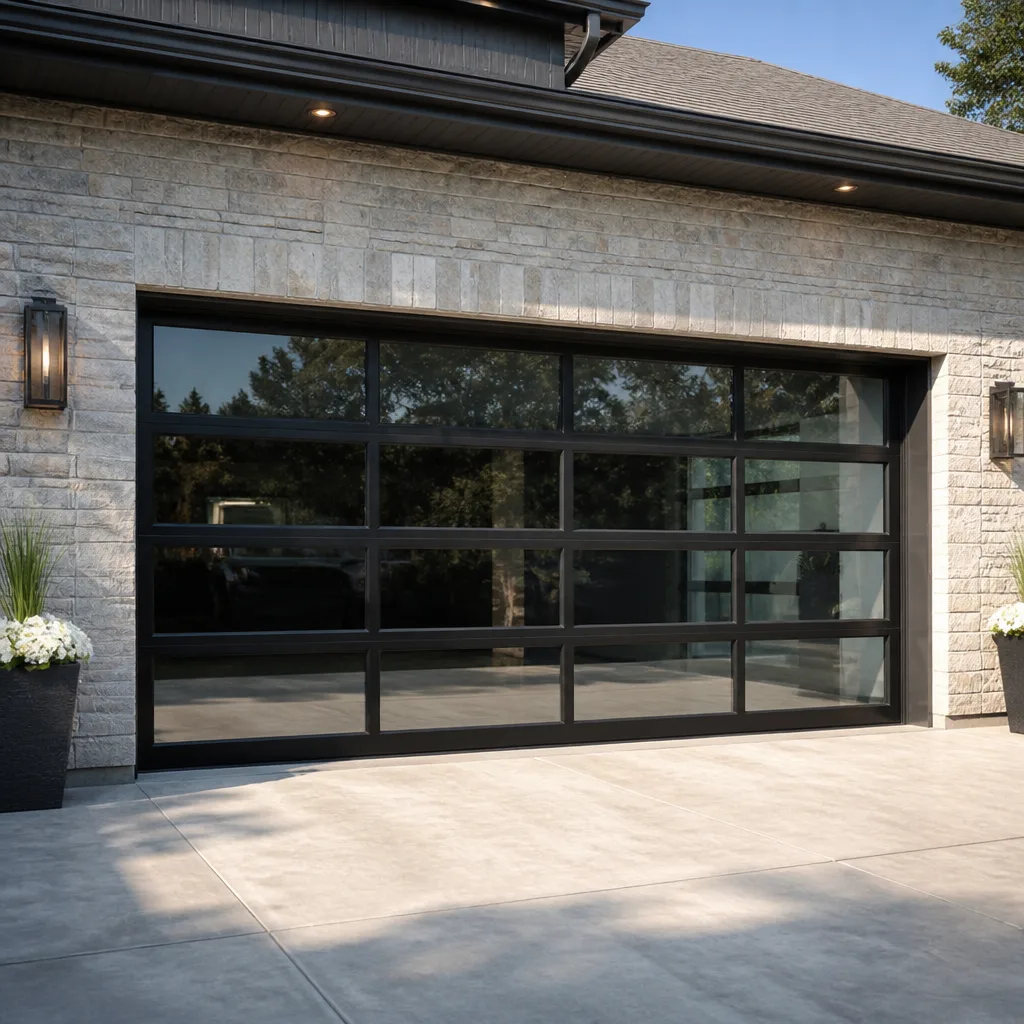 Full-view glass
 LiftMaster openers
 Chamberlain openers
Full 25-point door and opener safety check with every visit - springs, cables, rollers, tracks, and your LiftMaster or Chamberlain opener included
You get a price before we start. It does not change when the truck arrives.
Get your free estimateDIY vs Professional Garage Door: The Rancho Cucamonga Homeowner’s Decision Guide
A torsion spring on a standard sectional garage door stores roughly 100 to 150 foot-pounds of rotational energy when fully wound, and a failed attempt to remove one without the proper winding bars can break a wrist, dislocate a shoulder, or throw a metal component through the air fast enough to fracture bone. Yet the same homeowner who rightly refuses to touch those springs can safely swap out a worn bottom weatherseal on a Saturday morning and actually do the job well. That’s the honest truth about garage door work in Rancho Cucamonga: the DIY line isn’t drawn around your mechanical skill, it’s drawn around which component you’re touching. This guide explains exactly where that line sits, why, and what each decision costs or saves you.
Styles & brands we work with
Quick Answer
The DIY-vs-professional decision for a garage door comes down to the specific component, not your overall handiness. Weatherseal replacement, track lubrication, sensor alignment, and most remote programming are legitimate owner tasks in Rancho Cucamonga. Torsion springs, cable drums, and track realignment are professional-only work due to serious injury risk and the specialized tools and parts involved.
Table of Contents
- Safety First: Why the Component Matters More Than Your Skill
- Owner-Safe Components: What You Can Confidently Do Yourself
- Professional-Only Work: Torsion Springs, Cables, and Track Realignment
- The Extension Spring Exception
- Garage Door Openers: The DIY-to-Tech Spectrum
- Cost vs. Risk: The Actual Math
- Rancho Cucamonga-Specific Factors
- Common Mistakes to Avoid
- When to Call a Professional
- Frequently Asked Questions
- The Bottom Line
Safety First: Why the Component Matters More Than Your Skill
A garage door looks like one unified machine. It isn’t. It’s an assembly of discrete components with wildly different failure modes, energy levels, and accessibility, and grouping them together is exactly how homeowners get hurt. The tracks, hinges, and rollers are mechanical and visible. The springs are mechanical but hidden under tension. The opener is an electro-mechanical device that combines both. Treating all of it as one category of “garage door stuff” is like treating your car’s brake pads and its airbag detonator as the same DIY tier.
The single biggest predictor of whether a repair is safe to attempt isn’t whether you own a socket set or a YouTube account. It’s whether the component you’re about to touch is under active or stored mechanical load. Some components, like brackets and weatherseal, sit dead until the door moves. Others, like torsion springs, are loaded even when the door sits fully closed and the garage is silent. In Rancho Cucamonga, where the dry air and temperature swings between summer highs and cold winter mornings accelerate metal fatigue, we’ve seen homeowners misjudge spring condition more often than in coastal climates where rust signals damage more visibly.
Before we break down each component, one rule applies to everything below: if at any point you’re using leverage against a part that fights back, stop. A garage door that’s working against you is a garage door telling you something important.
Owner-Safe Components: What You Can Confidently Do Yourself
There’s a real list of garage door tasks that a careful homeowner can handle without professional help, and none of them require touching a spring or a cable. These are exactly the jobs a garage door repair company in Rancho Cucamonga would classify as maintenance rather than repair. If you want to keep your door quiet and sealed between professional tune-ups, here’s the owner-safe list.
Bottom Weatherseal Replacement
The rubber or vinyl strip along the bottom of your door rots and cracks with age, and in Rancho Cucamonga’s summer heat, it can go from serviceable to split within two or three seasons. Replacing it involves removing the old strip from its aluminum retainer channel, sliding in a new one, and trimming the ends. No spring tension, no cable involvement, no specialized tools beyond a utility knife and some silicone lubricant. A $45 DIY weatherseal can stop dust, leaves, and the occasional black widow from entering the garage, and the job takes about 45 minutes your first time.
Track and Roller Lubrication
Squealing rollers and grinding tracks are usually a lubrication problem, and lubricating is an owner job. Use a white lithium grease on the track’s inner surface where rollers move and a silicone spray on hinges and springs. Do not use WD-40 as a long-term lubricant; it’s a solvent and will strip whatever lubricant remains. In Rancho Cucamonga, with the fine dust that blows in from the foothills, a door that runs dry will wear rollers faster than a door maintained every six months.
Photo-Eye Sensor Alignment
If your opener reverses immediately or blinks a diagnostic code instead of closing, misaligned photo-eye sensors are the most common cause. The fix is usually as simple as loosening the wing nut on the sensor bracket, adjusting it so the small indicator light stays steady, and retightening. This is a safe, low-risk owner task that clears a large share of “my door won’t close” calls. For anything beyond basic alignment, garage door opener repair in Rancho Cucamonga is a smarter route.
Remote and Keypad Programming
Replacing a remote battery, syncing a new remote to the opener’s learn button, and setting a keypad code are all owner-viable tasks. The instructions are printed on the opener motor unit in nearly every case, and the process takes under two minutes. Whether your opener is a Genie, LiftMaster, Chamberlain, or Craftsman, the learn-button sync is nearly universal.
Professional-Only Work: Torsion Springs, Cables, and Track Realignment
Here is where the line hardens. A torsion spring assembly on a sectional door is a steel spring wound around a shaft above the door opening, and it stores the energy that lifts the door’s weight every time the opener runs. When the spring breaks, the door becomes a heavy, uncontrolled load. The repair requires unwinding or winding that spring using two steel winding bars inserted into the winding cone, and if one bar slips, the entire stored energy of the spring releases at once. We’ve seen the aftermath of failed DIY attempts: shattered forearms, fingers removed at the second knuckle, and hospital bills that make a professional spring replacement look like a rounding error.
The deeper misconception is that a “wound down” spring is safe to touch. It is not. Stored energy doesn’t dissipate just because the door is closed or the tension feels loose to a hand test. The coils are still under load along their entire length, and the retaining set screws on the winding cone are holding that load. Loosening the wrong screw in the wrong order is the exact moment the energy releases. No amount of careful reading substitutes for the calibrated winding bars and the counter-intuitive body position that a trained tech uses automatically.
Cable drums and cables sit in the same pro-only category. The cable that runs from the bottom bracket up to the drum carries door weight even in normal operation, and a frayed cable is a loaded piece of steel wire. Track realignment also belongs here: realigning a section of track that has shifted under load requires loosening lag bolts, repositioning the track while the door remains partially supported, and re-tensioning the hardware correctly. All three of these – springs, cables, tracks – are Bronze Garage Door Repair home service calls in Rancho Cucamonga a couple of times a week, because they fail predictably in our climate.
For anyone who wants a well-written, honest summary of what to expect from a professional repair visit, see our Garage Door Cost Breakdown: The Rancho Cucamonga Homeowner’s Reference for 2026 — this type of work is the reason full-service garage door specialists exist. Garage doors are all we do, and it’s not a marketing slogan; it’s a safety decision.
The Extension Spring Exception
Some Rancho Cucamonga houses built before the mid-1990s still have extension springs – the long, exposed springs that run parallel to the horizontal tracks above your head when the door is open. These springs are more DIY-accessible than torsion springs because they don’t require winding bars, and with the door fully open, an extension spring’s tension drops to near zero. A careful homeowner replacing an extension spring with the door open is working with a component that isn’t fighting back.
But the exception comes with a catch that most online tutorials skip entirely. Extension springs under load have a failure mode: when one breaks, the spring’s still-attached half goes flying as unguided steel. For that reason, building code requires a safety cable to run through the center of each extension spring and anchor to the back of the track. Most DIY tutorials don’t mention this cable at all, and a homeowner who skips the safety cable has created a more dangerous door than the one they started with. If you’re going to attempt this repair, the safety cable is not optional, and measuring the replacement spring correctly (not guessing) is the difference between a balanced door and one that slams shut or won’t lift at all.
If you have an older Amarr or Wayne Dalton system with extension springs, the odds of rusted mounting hardware are higher, and the replacement spring color code on the old spring’s painted tip matters more than the length. When we see extension spring jobs gone wrong in Rancho Cucamonga, it’s usually a homeowner who guessed the spring size and skipped the safety cable.
Garage Door Openers: The DIY-to-Tech Spectrum
Openers break down into three tiers of owner feasibility, and most of the confusion happens because homeowners treat all three as one thing.
Tier 1: Owner-Viable Opener Tasks
- Remote programming: Press the learn button on the motor, press the remote button, done. This is not repair; it’s setup.
- Photo-eye sensor replacement: If the sensor is dead and not just misaligned, buy a matched replacement, wire it in, align it, and test.
- Antenna replacement or repositioning: The gray wire hanging from the motor matters for range. A broken antenna or one tucked behind the motor housing causes intermittent remote failure.
- Battery replacement in keypads and remotes: The single most common “opener failure” is a dead 9-volt battery.
Tier 2: Borderline – Motor Unit Replacement
Replacing the entire motor unit, which includes the drive mechanism that travels along the rail, is a three-to-four-hour job for a first-timer and requires careful attention to the safety reversing system after installation. A homeowner who has already swapped a ceiling fan and understands how to anchor to ceiling joists can typically handle it. A homeowner who hasn’t shouldn’t learn on a 150-pound moving machine.
Tier 3: Pro-Only – Rail and Drivetrain Work
If the rail itself is damaged or bent, or the internal drivetrain has failed on a Genie screw-drive unit, this is professional territory. The opener is disconnected from the door, the door must be rebalanced, and the unit’s travel limits and force settings need recalibration to pass a safety test. In our experience, lifts under a homeowner-installed opener that slams the last six inches are a common call from Rancho Cucamonga buyers who just moved in and didn’t know the opener was a DIY install.
For opener diagnostics beyond the easy fixes, the right move is a specialist who already knows your opener model rather than a generalist who has to look up the manual on-site. We work on LiftMaster, Chamberlain, Genie, and Craftsman systems specifically, and that matters with openers because the force-sensitivity settings differ by brand and generation.
Cost vs. Risk: The Actual Math
DIY projects are often justified by cost. Here’s the honest arithmetic for Rancho Cucamonga, using the prices we see from local suppliers and the service calls we price ourselves. For a deeper look at permits and compliance, see our guide to Garage Door Permits, Codes & Inspections in CA: What You Need to Know.
Where DIY Clearly Wins
- Bottom weatherseal: A DIY seal costs $35 to $55 for the material. Labor from a professional is a service call minimum, often $95 to $140, because the technician drives to you regardless of the part cost. DIY saves real money here, and the risk is negligible. Do it yourself.
- Remote programming: Free if you follow the instructions on the opener. Some companies charge a diagnostic fee for what is truly a setup task.
- Lubrication: A can of white lithium grease is under $10. There is no professional service that costs less.
Where Professional Service Is the Only Rational Choice
- Torsion spring replacement: The parts cost $60 to $120 for the pair if you can source the exact spring locally and wait for shipping. Professional repair in Rancho Cucamonga runs $180 to $340 installed, including parts, labor, and a door balance test. The hospital bill for a botched attempt starts around $5,000 for a broken wrist and goes up from there. The risk-adjusted math is not close.
- Cable repair: The parts are inexpensive, but cables fail because something else is wrong – a spring imbalance, a worn drum, a bent track. Replacing the cable alone is fixing the symptom, and a door with a still-broken root cause will destroy the new cable in weeks.
- Track realignment: There is no parts cost. There is only labor, and the labor requires knowing how much tension to leave in each section so the door doesn’t bind. This is paid expertise, and it usually runs $120 to $200 depending on severity.
The bottom line on cost: DIY saves money only when the component is low-risk and the part is readily available. When the component is dangerous, the professional’s labor charge is insurance against a hospital bill you did not budget for. The garage door installation experts in Rancho Cucamonga quote a flat price for installs up front because a clear number beats an open-ended invoice every time. The same applies to repairs: the price you’re quoted is the price you pay, and it’s agreed before any work starts.
Rancho Cucamonga-Specific Factors
Rancho Cucamonga has three local realities that affect the DIY calculus more than most homeowners realize.
Climate. The Inland Empire swings from 100-degree summer afternoons to 35-degree winter mornings in January, and that thermal cycling fatigues springs, weatherseal, and roller bearings faster than the coastal average. A garage door in Rancho Cucamonga might go through a bottom seal in three years where a Pasadena door gets six. That means the owner-safe maintenance tasks (lubrication, seal replacement) are genuinely more frequent here, and it also means springs that look visually okay may be closer to failure than their age suggests.
Neighborhood age. Rancho Cucamonga’s housing stock is older at the core, with many pre-1990 homes still running original extension-spring doors or early generation openers. Those older systems have more DIY-adjacent problems but also more hidden failures. A 1988 Wayne Dalton extension spring system is not a modern torsion setup, and the repair approach is different.
Dust and grit. The wind that comes through the Cajon Pass and across the foothills is dry and carries fine particulate. That dust works into roller bearings and track lubricant, turning a door that would run quiet in a coastal garage into a gritty, noisy door here. More frequent lubrication is the owner-level answer; worn or seized rollers are the professional-level fix.
The realistic takeaway for Rancho Cucamonga: your maintenance calendar runs faster here than it would elsewhere, but the professional-repair thresholds don’t change. When a torsion spring breaks on Amarr or Clopay door hardware, the right response is a specialist call, regardless of how handy you are.
Common Mistakes to Avoid
- Using generic automotive tools instead of winding bars on a torsion spring. Winding bars are hardened steel rated for the torque. Screwdrivers, rebar, or ratchet extensions are not, and they fail suddenly. In Rancho Cucamonga, this is the most common pre-hospital decision we hear about from homeowners who later call us.
- Skipping the extension spring safety cable. If you’re replacing an extension spring on an older door, the safety cable is part of the job. Omitting it leaves a loaded steel spring with no containment path when it fails.
- Replacing the weatherseal without cleaning the retainer channel. A new seal slides into a channel full of accumulated grit and old adhesive, and it will jam before it seats. Clean the channel first and the job is painless.
- Lubricating with WD-40 instead of white lithium grease. WD-40 cleans but doesn’t lubricate over time. A door that gets quieter for a day and then louder than before has been stripped of its original grease.
- Ignoring that a broken spring often means both springs are near end of life. Most sectional doors have two torsion springs, and one failing usually means the other isn’t far behind. Some companies will replace only the broken one because it’s cheaper; a better repair is replacing both, and a specialist will tell you that before the work begins.
- Attempting track realignment with the door still connected to the opener. The opener is applying force to the door while you’re loosening the track hardware. Disconnect the opener first, and if you’re not sure how the release mechanism works, this is the point where you call a professional instead.
When to Call a Professional
If you have a broken torsion spring, a frayed cable, a door that’s come off its track, or any situation where the door won’t stay in position under its own weight, call a professional immediately — and read our Garage Door Emergency Preparedness Guide for Rancho Cucamonga Homes to plan ahead. These failures don’t improve with time, and a door that’s partially failed can finish failing while a car is inside or a child is walking under it. If you have an opener that’s slamming, reversing unpredictably, or making grinding sounds from the motor unit, that’s also a pro call, especially if the safety reversing system isn’t reliably stopping the door.
Bronze Garage Door Repair offers free estimates in Rancho Cucamonga – call (833) 734-6940 and we’ll give you a straight answer on what’s safe to handle yourself, what’s not, and what the repair will cost before any work starts.
Frequently Asked Questions
Most Rancho Cucamonga garage door repair jobs fall between $120 and $340 depending on the component. Simple fixes like sensor realignment or roller replacement sit at the low end; torsion spring replacement sits at the high end because it includes both parts and critical safety labor. Every quote we give is agreed before work starts, so the number you hear is the number you pay. Call (833) 734-6940 for an exact quote – estimates are free.
No. A torsion spring under partial load still stores enough energy to cause serious injury, and the release happens faster than a human can react. The winding bars, the body position, and the torquing sequence are all skills learned through supervised repetition, not video instruction. This is the one repair where professional service is non-negotiable.
Bottom weatherseal, rollers (with the door propped and the opener released, one at a time), remote-control batteries, light bulbs in the motor unit, and basic photo-eye alignment are all owner-level tasks. None of these require touching springs, cables, or loaded track hardware.
Yes. We work on Genie openers specifically, and Clopay, Amarr, and Wayne Dalton door hardware specifically, along with LiftMaster, Chamberlain, Craftsman, and Raynor. That brand familiarity means we know the failure patterns and the part sources for each before we arrive, which shortens diagnosis and prevents wrong-part delays. Garage doors are all we do.
Using improvised tools on torsion springs is the most dangerous mistake; skipping safety cables on extension spring replacements is the most common one we find later. Both come from the same misunderstanding, which is that springs are the one component where the danger isn’t visible.
No. The price we quote after diagnosing the problem is the price you pay. If we find a second issue mid-repair, we stop and explain it with its own line-item number before touching anything else. No one wants a bill that grows without permission, and that includes us. Estimates are free, and you’ll know the number before any work begins.
It means if your spring is broken and your opener is also original to the house, we can handle both in the same visit. Same for rollers that failed because the track was never realigned. You won’t be bounced between a spring company and an opener company and a track company. One call to (833) 734-6940 covers the whole door system.
The Bottom Line
The DIY garage door decision isn’t about whether you’re handy; it’s about whether the component you’re touching stores mechanical energy. Weatherseal, lubrication, sensor alignment, and remote programming are everyday owner tasks that save real money and require no special tools. Torsion springs, cables, and track realignment are professional work, not because a company wants your business, but because the failure mode happens faster than human reaction time and the hospital bill dwarfs the service fee. In Rancho Cucamonga, with our thermal swings and the dust from the Pass, the maintenance tasks come around a little more often, but the safety thresholds stay exactly where they are. When in doubt, call a specialist and ask. The answer costs nothing. For more guides & resources, visit our blog.
Written by the team at Bronze Garage Door Repair, serving Rancho Cucamonga since 2014.
See the difference
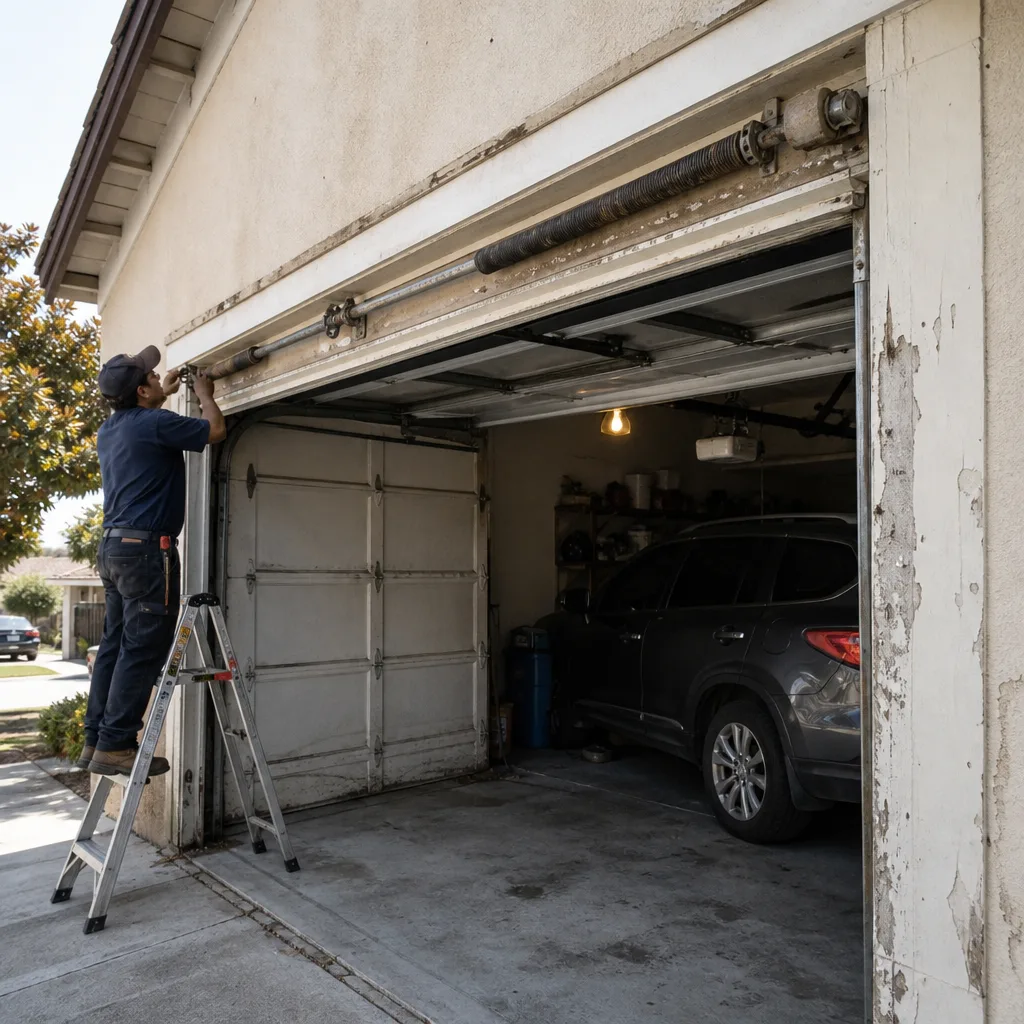 Before
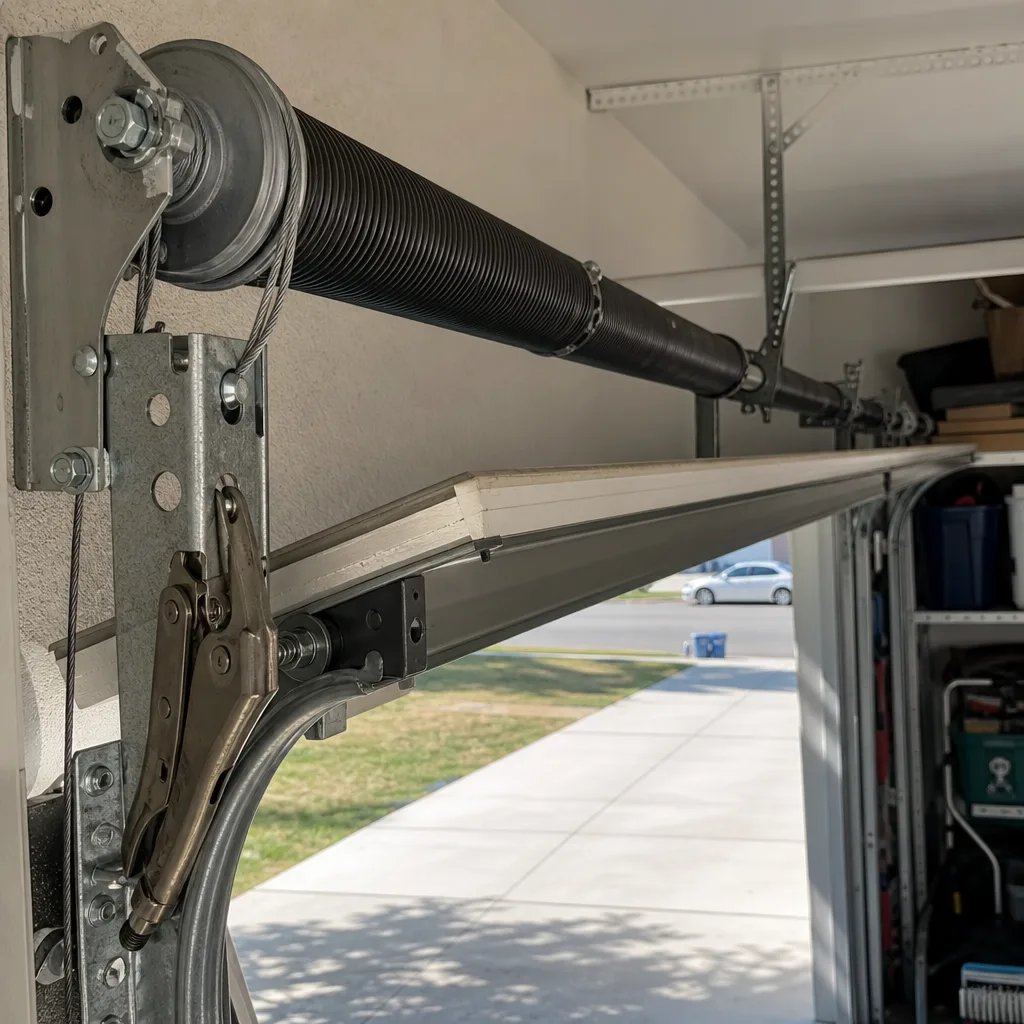 After
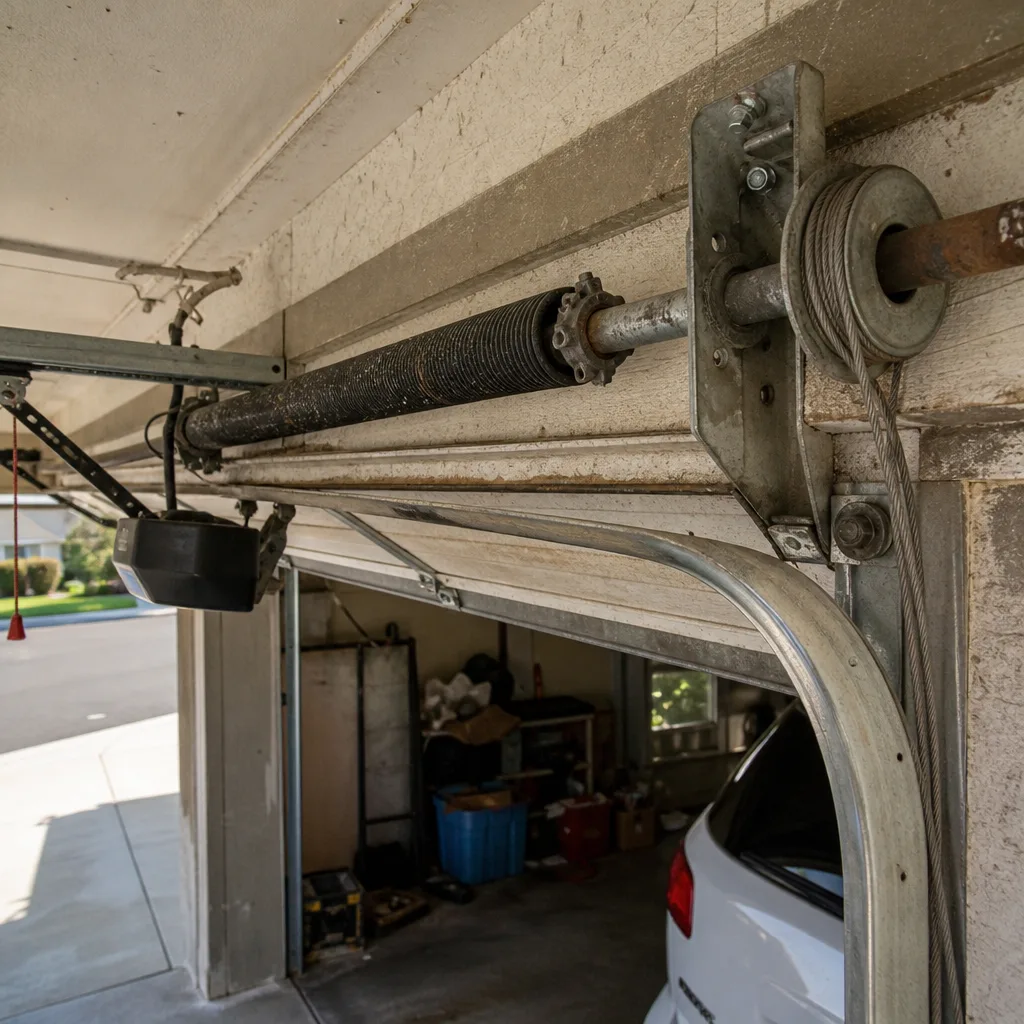 Before
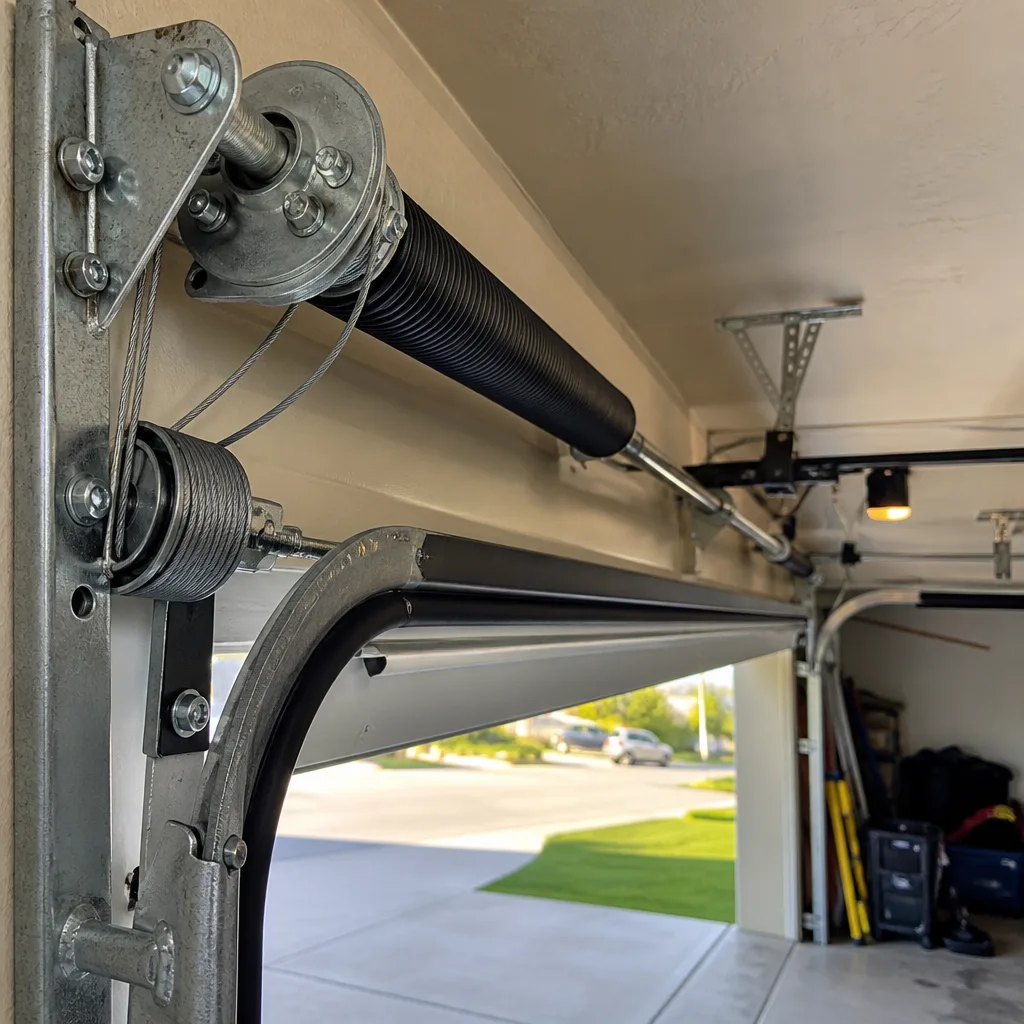 After
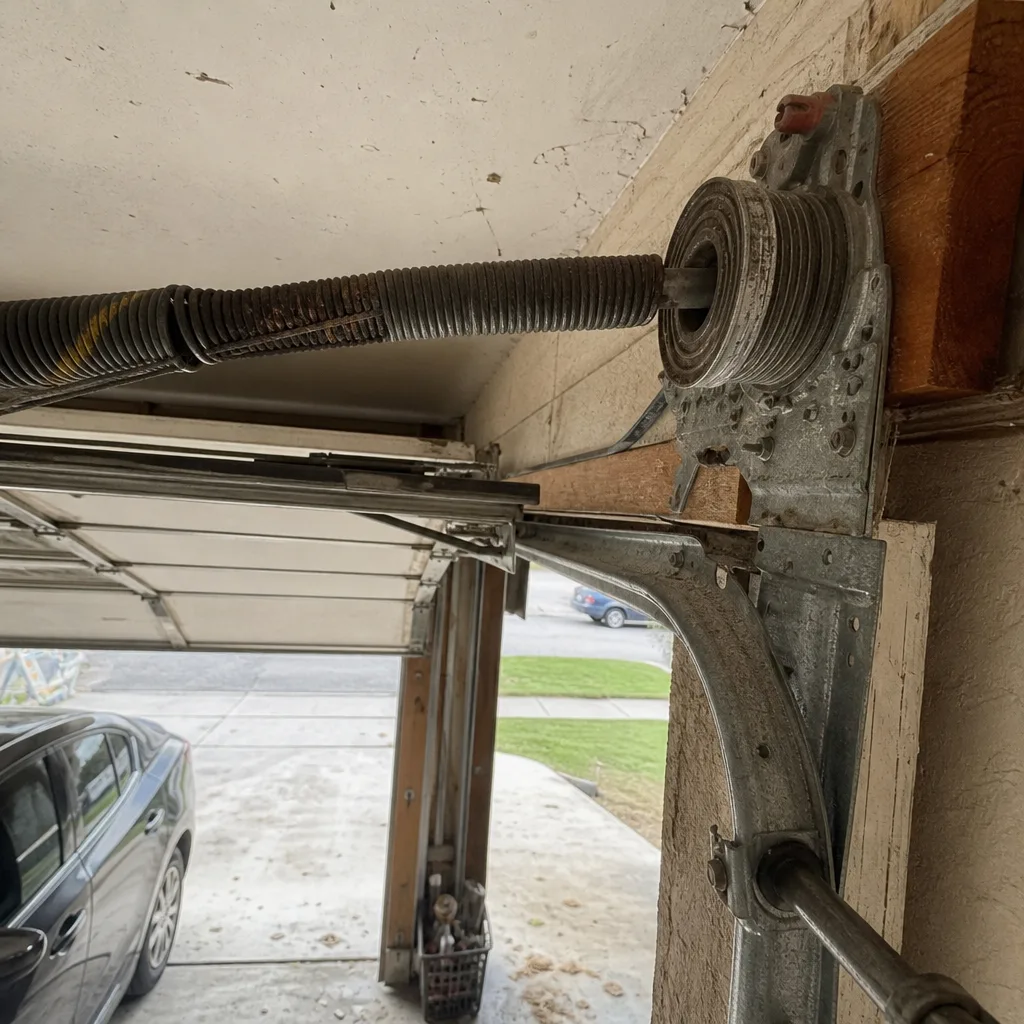 Before
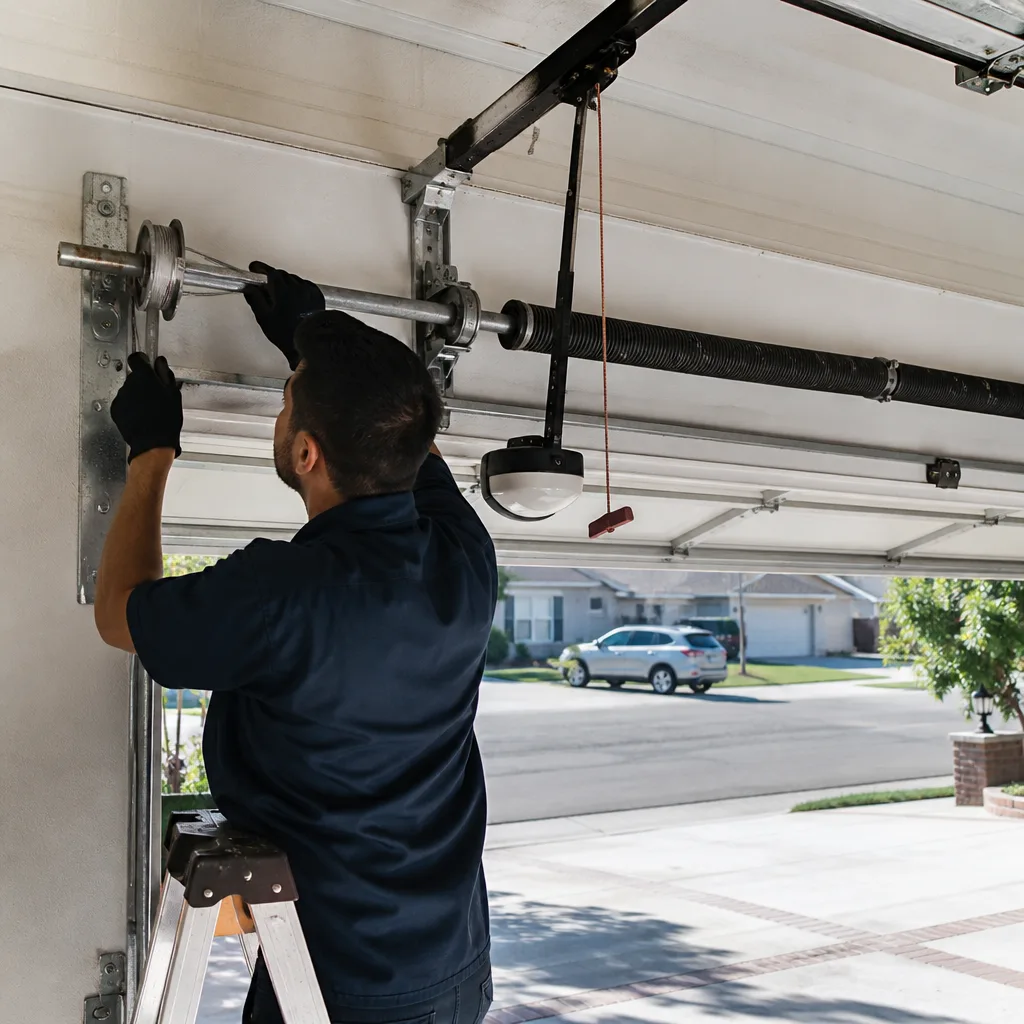 After